Delivering Seamless Compliance by Enabling BPOM-standard Pharmaceutical Traceability Without A System Overhaul
CHALLANGE
“What started as a compliance mandate exposed a deeper challenge fragmented systems and limited visibility made unit-level tracking costly, complex, and difficult to scale.”
The introduction of Indonesia’s BPOM Regulations mandates 2D barcodes on every unit of pharmaceutical and food product to enable end-to-end monitoring. What appeared to be a compliance initiative quickly revealed deeper structural constraints. Production systems, ERP, and quality control processes were not designed for unit-level tracking. Data was fragmented across functions, and visibility across the supply chain was limited. Most available solutions required replacing or overhauling core systems, introducing high capital cost, operational risk, and potential disruption to ongoing production. The business needed a way to meet regulatory requirements without compromising continuity or efficiency.
APPROACH
“We localized and seamlessly integrated serialization into existing systems to enable real-time, end-to-end traceability of every pill from factory to patient.”
Diagnose Integration Gaps Across Systems and Workflows
We mapped how data moved across production, ERP, quality control, and warehousing to identify where traceability would break. This clarified the exact points of failure and avoided unnecessary system replacement.
Embed Serialization into Existing Infrastructure
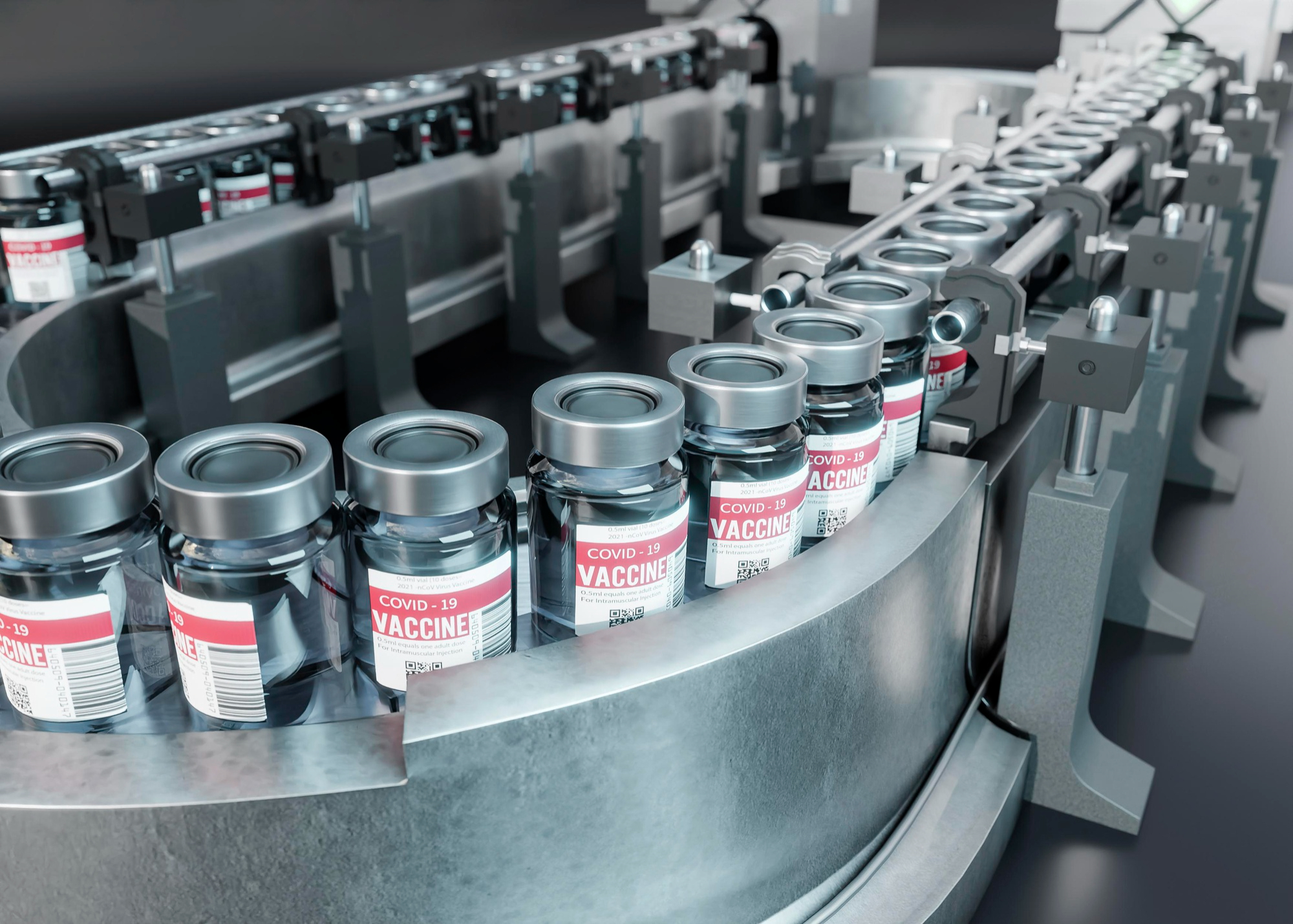
Each product unit was assigned a unique 2D barcode, with automated aggregation and validation built into the packaging process. Integration with scanning and check-weighing systems ensured speed and accuracy on the production line.
Extend Traceability into Real-Time Operational Visibility
We integrated real-time data flows into the existing ERP, enabling end-to-end traceability across production, warehousing, and distribution while supporting regulatory reporting requirements. Custom inspection workflows were introduced to support quality assurance, ensuring traceability was embedded into daily operations rather than treated as a separate compliance layer.
OUTCOME
“Compliance projects rarely make a manufacturer faster, leaner, and more visible at the same time. This one did.”

IDR 15Bn
Saved through hybrid procurement model
30%
Lower investment via localized manufacturing & integration